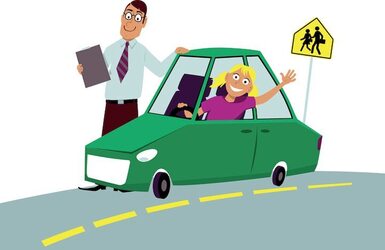
9 Signs Your Teen Is Ready to Drive Without You
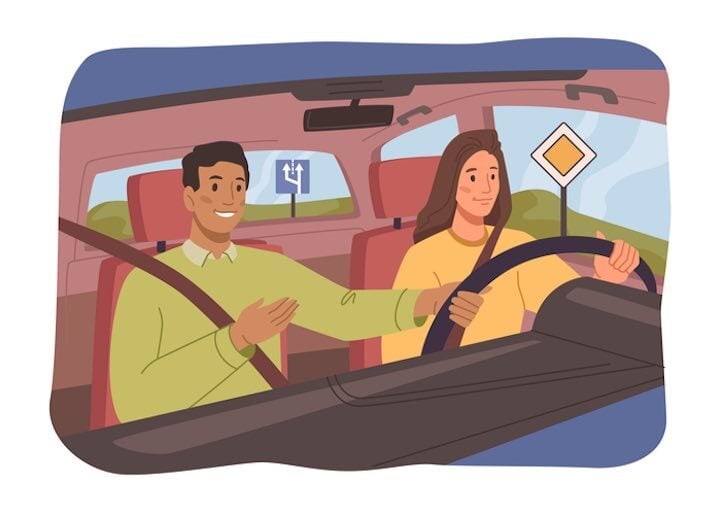
Letting your teen drive without you can feel very different from teaching them with you in the passenger seat.
Maybe your teen has already practiced for months, taken lessons, and followed Oregon’s requirements. Or maybe your family is earlier in the process, and you are trying to understand what needs to happen before that first solo drive. Either way, the question can feel heavy: “How will I know they are really ready to handle the road on their own?”
That question is not overprotective. It is responsible.
Parents are not just handing over keys. They are handing over independence, trust, and responsibility. It is normal to feel proud, nervous, cautious, and unsure at the same time. The goal is not to wait until every worry disappears. The goal is to know what readiness looks like early enough that you can help your teen build toward it with practice, support, and clear expectations.
In Oregon, legal readiness is only one part of the picture. ODOT says teen drivers must complete 50 hours or 100 hours of supervised practice, depending on whether they complete an ODOT-approved driver education course.
Legal requirements help create a baseline, but parents still need to look at habits, judgment, confidence, and how the teen responds when driving gets more complex.
Pacific Driver Education helps Oregon teens and parents move toward that moment with calm, structured support. If your teen is still building the skills they need, teen driver education can help create a safer path from supervised practice to more independent driving.
1. They Meet Oregon’s Legal Requirements
Before your teen drives without you, make sure they meet Oregon’s licensing requirements. This may sound basic, but it matters because legal requirements are the starting line, not the finish line.
Use those requirements as a planning tool. If your teen is still working toward the required practice hours, that time is not just about logging minutes. It is a chance to build comfort across different roads, traffic levels, weather, and driving situations.
But the number of hours is not the only thing to watch. Your teen can log practice time and still need more help with certain roads, distractions, or decision-making. That is why legal readiness should be treated as the minimum foundation, not the only sign of readiness.
This can also help you talk about practice in a calmer way. Instead of saying, “You need more practice because I’m nervous,” you can say, “Driving takes repetition. We’re going to use this time to help you feel ready, not just licensed.”
When you frame practice that way, your teen is less likely to hear it as a lack of trust. They can hear it as preparation.
2. They Have Practiced in Different Driving Conditions
Your teen may feel comfortable driving the same quiet route over and over. That is a good start, but solo driving brings more variety. Your teen may face rain, dusk, school zones, crowded parking lots, busy intersections, impatient drivers, or a route change they did not expect.
Before your teen drives alone, look for practice across different settings. Have they driven in neighborhoods, on busier roads, through intersections, in parking lots, and on routes they will actually use? Have they practiced the drive to school, work, practice, or a friend’s house? As their skill grows, have they tried light rain, low light, or moderate traffic with you still in the car?
ODOT’s parent resources explain that teens who complete an ODOT-approved course may qualify with 50 hours of practice, while teens who do not complete an approved course must show 100 hours and still take a drive test. ODOT also provides parent resources to help families guide and track teen practice.
A practice driving log can help you see whether your teen’s experience is broad enough or mostly limited to one easy route.
Start building variety early. Do not wait until the week before licensing to add new conditions. Begin with simple routes in daylight. Then add new roads, different times of day, and more complex situations when your teen shows they are ready.
The goal is not to overwhelm them. The goal is to help confidence grow through small, safe steps.
3. They Can Drive Without Constant Reminders
One of the clearest signs your teen is getting ready for solo driving is that you are saying less.
Early on, you may need to remind them to brake sooner, check mirrors, signal, look over their shoulder, slow down, or stay centered in the lane. That is normal. New drivers are learning many things at once.
But before your teen drives alone, basic safe habits should start happening without constant prompts.
They should check mirrors on their own. They should signal before turns and lane changes. They should notice speed limit changes. They should look ahead, scan intersections, and leave enough space from the car in front of them.
Here is a helpful test: if you still feel like you are “driving from the passenger seat,” your teen probably needs more supervised practice.
That does not mean they need to be perfect. It means their safe habits should be consistent enough that they are not depending on you to catch everything.
If your teen still needs frequent reminders, a professional driving lesson can help identify which habits need more practice before solo driving begins.
After practice drives, keep feedback specific and calm. Instead of saying, “You’re not ready,” try, “You handled the turns well today. Let’s keep practicing mirror checks until they happen every time.”
That kind of feedback helps your teen improve without feeling shut down.
4. They Respond Calmly After Mistakes
Every driver makes mistakes. What matters is how your teen responds when something does not go perfectly.
A teen who is getting ready for solo driving does not need to be flawless. But they should be able to recover when something goes wrong. They should be able to take a breath, listen, correct safely, and keep control of the vehicle.
This matters because solo driving does not come with a parent voice in the passenger seat. Your teen needs to know what to do if they miss a turn, brake too late, get honked at, feel unsure in a parking lot, or realize they are in the wrong lane.
You can prepare for this during supervised practice. When something goes wrong, stay calm. Help your teen focus on the next safe action first. Then talk through the mistake after the car is parked. This teaches them that a mistake is not a reason to panic. It is a reason to reset and learn.
Parent practice can support this, but it can also become emotional. If practice drives are creating tension, parent-taught driving practice can help you understand when to coach at home and when extra professional support may help.
A teen who can recover calmly is not just showing driving skill. They are showing maturity. That matters when they are alone behind the wheel.
5. They Understand the Biggest Teen Driving Risks
Your teen should know how to operate the car, but they also need to understand the risks that make teen driving different.
CDC identifies several teen driver risk factors, including inexperience, teen or young adult passengers, nighttime driving, not wearing seat belts, distracted driving, speeding, and alcohol use.
This does not mean you need to scare your teen. Fear usually does not create better decision-making. Clear expectations do.
Talk about risk before solo driving starts.
Ask practical questions: What will you do if a friend asks for a ride before you are allowed to have passengers? What will you do if your phone buzzes? What will you do if you are running late? What will you do if it starts raining harder than expected?
These conversations help your teen practice decisions before they have to make them alone. They also show whether your teen understands why the rules exist.
Seat belts, speed, phones, passengers, and nighttime driving should not be one-time lectures. They should be part of an ongoing conversation.
You can also use seasonal safety reminders, especially during higher-risk driving periods, to keep teen driving safety practical and current.
A ready teen can explain the risks in their own words. They understand that the rules are not about control. They are about getting home safely.
6. They Follow Family Driving Rules Without Pushback
Before your teen drives alone, your family should have clear driving rules. Those rules should be discussed before the keys are handed over, not argued about during a stressful moment.
Your rules might include no phone use while driving, no extra passengers beyond what Oregon allows, no driving late without permission, no speeding, no driving when tired or upset, no changing the route without checking in, and always wearing a seat belt.
CDC recommends a Parent-Teen Driving Agreement so families can put road rules in writing, set expectations, and create clear limits before teens drive independently.
A written agreement can make the rules feel less personal. Instead of starting every conversation from scratch, you and your teen have already agreed to the standard. The agreement can also grow over time. Your teen may earn more driving privileges after showing safe choices consistently.
Start this early. Do not wait until the first solo drive to introduce rules. Talk about them during supervised practice. Explain what the rule is, why it matters, and what will happen if it is broken.
Your teen may not love every rule, and that is okay. But if every limit becomes a fight, they may need more time before driving without you.
7. They Can Handle Small Changes Without Losing Focus
Real driving rarely goes exactly as planned. Your teen may miss a turn, meet road construction, see flashing lights, face a detour, or realize the parking lot is more crowded than expected.
A teen who is ready to drive without you can handle small changes without losing focus. They do not need to know every answer right away, but they should know how to slow down, create space, stay calm, and choose a safe next step.
You can practice this before they drive alone. Ask simple “what would you do” questions before or after a drive. What would you do if you missed the turn? What would you do if the lane was closed? What would you do if the GPS gave a confusing direction? What would you do if another driver was tailgating you?
This helps your teen learn that safe driving is not just following a memorized route. It is noticing what is changing and responding with care.
Build route variety slowly. Start with familiar roads, then add one new challenge at a time. This might mean a new parking lot, a busier intersection, or a different route home. A driver safety course can also help your teen prepare for real-world driving decisions before they face them alone.
Confidence grows when teens learn they can handle small surprises safely.
8. They Can Explain Their Driving Decisions
A teen who is ready to drive without you should be able to explain their choices.
This does not mean they need to give a perfect technical answer. It means they are starting to think like a driver. They can explain why they slowed down early, waited for a larger gap, changed lanes later, chose a safer parking spot, or avoided a certain route.
This is important because solo driving requires judgment. When you are not in the car, your teen needs to make decisions without waiting for instructions.
After practice drives, ask calm, open questions. What went well today? What felt hard? Why did you wait before turning? What did you notice about that intersection? What would you do differently next time?
These questions help your teen reflect. They also help you hear how they are thinking.
A teen who says, “I waited because I couldn’t see around the parked car,” is showing awareness.
A teen who says, “I don’t know, I just went,” may need more guided practice.
Helpful parent-supported driving resources can give you a better way to connect practice, feedback, and confidence between lessons.
When your teen can explain their decisions, you can feel more confident that safe habits are becoming internal, not just parent-directed.
9. You Have a Gradual Solo Driving Plan
The first solo drive should not be a long nighttime trip, a freeway route, or a stressful errand with several stops. It should be simple, familiar, and low pressure.
A gradual plan helps both of you. It turns solo driving into a step-by-step process instead of one big leap. The first solo drive might be a short daylight route close to home. The next might be a familiar errand. Then a school or work route. Later, your teen can add busier roads, rain, dusk, or longer drives when they have shown they are ready.
This plan can also include check-ins. Your teen can text before leaving and after arriving. They can tell you the route before they go. You can agree on what to do if plans change. These small steps build trust without hovering.
A gradual plan can also help your own anxiety. You are not saying, “You are fully independent now, good luck.” You are saying, “We are going to add independence in stages as you show readiness.”
If your teen needs more confidence before this stage, private driving lessons can provide focused support on the exact skills or routes that still feel stressful.
Independence does not have to happen all at once. It can be earned, practiced, and expanded.
Take the Next Step With Confidence
Letting your teen drive without you may still feel emotional, even when they are ready. That is normal. You are watching your child take a real step toward independence, and it makes sense to feel the weight of that moment.
But you do not have to rely on worry alone. You can look for clear signs.
Does your teen meet Oregon’s requirements? Have they practiced in different settings? Do they drive without constant reminders? Can they recover from mistakes, explain decisions, follow family rules, and handle small changes? Do you have a gradual solo driving plan?
Now you have a more practical way to answer the question, “Are they ready?” You can use these signs to guide more practice, better conversations, and a calmer path toward independent driving.
Pacific Driver Education helps Oregon families prepare teens for safe, confident driving through structured instruction, parent-supported practice, and one-on-one lessons. If your teen is close to driving without you, the right next step can help both of you feel more prepared.
If your teen needs a structured foundation, teen driver education can help build safer habits before solo driving begins.
If your family wants help turning practice into a clear plan, explore parent-supported driving resources designed to make home practice calmer and more useful.
If your teen needs focused help before driving alone, private driving lessons can support the specific skills, routes, or confidence gaps that still need attention.
You may still feel nervous when they pull away for the first time, but you can also feel prepared. That is the difference a clear plan can make.
Topics Covered
Drive with Confidence: Enroll in a Course Today
Master the road with expert-led driver education.